

Bleeding gums are a common dental concern that many people experience at some point in their lives. Often noticed during brushing or flossing, this symptom can indicate an early sign of gum disease, but it might also arise from other causes, such as vitamin deficiencies, hormonal changes, or poor oral hygiene.
The high prevalence of bleeding gums underscores the importance of addressing this issue promptly. Ignoring bleeding gums could lead to more serious dental problems, so understanding its causes and treatments is crucial for maintaining optimal oral health.
We’ll discuss everything you need to know about bleeding gums here, as well as the benefits of having it treated.
What you need to know about gum bleeding
Gum bleeding refers to the bleeding of the gums, the soft tissue surrounding your teeth. It has the following characteristics:
Colour
The colour of healthy gums is pink, while bleeding gums may appear red or purple. Bleeding gums can manifest as bright red (inflammation) or as dark red (deeper tissue bleeding).
Amount
Slight bleeding contains a few drops of blood, typically noticeable when brushing or flossing. Moderate bleeding might appear as a small stream and can be more persistent, often leaving a pinkish hue on your toothbrush or in the sink. Heavy bleeding is more severe, where the blood may flow freely and persist for a longer duration, potentially indicating a more serious underlying issue.
Frequency
Bleeding can happen occasionally, such as when you brush too hard or eat something sharp. However, if your gums bleed frequently and constantly without apparent cause, it may indicate a chronic condition that requires attention.
Pain
When experiencing bleeding gums, the associated pain levels can vary. Usually, bleeding gums may be completely painless, and tenderness is common due to inflammation. However, some might experience sharp pain or a dull ache if it is linked to more severe underlying conditions.
Location
Gum bleeding can occur in a specific area of the gums, but it can also be widespread. Widespread bleeding involves multiple areas of the gums and is usually indicative of more systemic conditions.
Gum Bleeding Causes
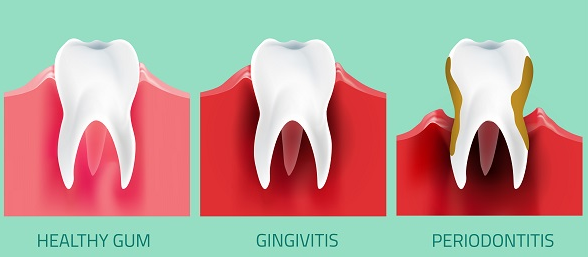
Bleeding gums does not happen for no reason. One leading cause of bleeding gums is gum disease, categorised into two main types: gingivitis and periodontitis.
Plaque buildup due to inadequate removal through regular brushing and flossing can harden into tartar, aggravating the gums and leading to gum inflammation and bleeding.
Gingivitis
Gingivitis is caused by plaque buildup. Plaque is the sticky bacteria on teeth that is not removed properly through regular brushing and flossing. When plaque accumulates, it can irritate the gums, leading to the development of gingivitis.
Symptoms of gingivitis include:
- swollen gums
- inflamed gums
- tender gums that bleed easily when brushing or flossing
Periodontitis
Periodontitis, a severe gum disease, damages the delicate gum tissue and the bone support of your teeth. If gingivitis remains untreated, the inflammation and bacteria can spread deeper into the gums, progressing into periodontitis. This advanced gum disease leads to the destruction of the supporting structures around the teeth.
Symptoms of periodontitis include:
- deeper gum pockets
- receding gums
- loose teeth
- pus formation around the teeth and gums
Other Potential Causes
- Brushing too hard: Aggressive brushing can irritate and damage the sensitive gum tissue, leading to bleeding gums when brushing teeth.
- Ill-fitting dentures: Dentures that don’t fit properly rub against the gum line, creating friction, causing irritation and leading to bleeding gums.
- Hormonal changes: Hormone fluctuations during pregnancy (known as pregnancy gingivitis) or menopause make gum more reactive to plaque and bacteria, increasing gum sensitivity that leads to inflammation and bleeding.
- Vitamin deficiencies: Vitamin C or Vitamin K deficiency causes bleeding gums. Vitamin C deficiency weakens blood vessels, making them more prone to bleeding. Vitamin K is essential in blood clotting, so insufficient levels can prolong bleeding gums.
- Blood thinners: Blood thinning medications, such as anticoagulants, prevent blood clots that can increase the risk of bleeding, including bleeding gums.
- Other medical conditions: Some medical conditions, such as leukaemia or HIV/AIDS, have gum bleeding as a symptom. These conditions affect the body’s ability to fight infections or produce blood cells, leading to increased gum sensitivity and bleeding.
Bleeding gums can indicate underlying dental issues, ranging from gingivitis to more serious periodontal diseases. Knowing how to stop bleeding gums is essential for maintaining oral health.
Homecare

Proper oral hygiene can prevent bleeding gums.
When brushing, it is crucial to use a soft-bristled toothbrush to avoid causing further irritation to the gums. Position the toothbrush at a 45° angle towards the gums and use circular motions to effectively clean the teeth. Brushing twice daily for at least two minutes is recommended.
Flossing between teeth and below the gum line removes plaque and food particles. Proper flossing technique involves using a clean section of floss for each tooth and gently guiding it between the teeth, curving it around the base of each tooth.
Antiseptic mouthwash can also help reduce bacteria and prevent gum infections.
Professional Treatment
A dentist can provide deep dental cleaning methods (e.g. scaling and root planing) to address gum disease effectively. Scaling removes tartar and bacteria from the teeth’s surface and beneath the gums. On the other hand, root planing smooths the root surfaces to prevent further bacterial buildup.
A dentist might also recommend other treatment options depending on the severity of gum disease. It includes antibiotics to fight infection or surgery to repair significant damage to the gums and supporting structures.
Cost Comparison
Bleeding or Swollen Gums in Pregnancy
Hormone changes in pregnancy can make the gums swell or bleed more easily, especially when you brush. This is often called pregnancy gingivitis. Don’t wait for it to settle after the baby is born: tell your dentist you’re pregnant and have your gums checked, ideally early in the pregnancy.
What helps: brush gently twice a day with a soft-bristled toothbrush and clean between your teeth daily. If you have morning sickness, rinse your mouth with water after vomiting and wait at least 30 minutes before brushing, because stomach acid softens tooth enamel. Dental check-ups and treatment can be carried out during pregnancy.
See a dentist if your gums bleed when you brush. Ask for an urgent appointment if your gums are very sore and swollen, or you notice a lump in your mouth.
Benefits of Treating Gum Bleeding

Taking prompt action to treat gum bleeding can lead to numerous benefits, motivating you to commit to better oral health.
Fresher breath
Gum bleeding can cause bad breath because of the bacteria buildup in the mouth. By treating gum bleeding, you are eliminating the source of bad breath to achieve fresher breath.
Reduced tooth loss risk
Gum bleeding can progress to periodontal disease, which gradually damages the supporting structures of teeth. Addressing gum bleeding early on can prevent or slow down gum disease progression and decrease your risk of tooth loss.
Improved overall health
Gum bleeding can indicate inflammation in the mouth, which is linked to several health complications such as heart disease, stroke, and diabetes. Treating gum bleeding takes care of your oral health and also improves your overall health.
Increased Confidence
Healthy gums are part of what makes a smile look and feel put together, without the visible sensitivity or discolouration that comes with ongoing inflammation.
Pain Relief
Treating bleeding gums can provide relief from pain associated with gum disease. Addressing the underlying cause supports gum healing over time, which is often followed by a decrease in pain and discomfort.
When to see a dentist?
Gum bleeding can be a common occurrence, often caused by vigorous brushing or flossing. However, if you experience persistent or severe gum bleeding, it could be indicative of health issues such as gingivitis or periodontal disease. In such cases, it is crucial to consult a dentist promptly.
Early diagnosis and treatment prevent more serious complications and contribute to better oral health overall. Professional guidance can also help address contributing factors like improper oral hygiene practices or underlying medical conditions.
Conclusion
Bleeding gums may be normal, but it can also indicate underlying dental issues. Understanding bleeding gums’ causes and treatments can help you take a step to prevent future complications. Remember to maintain regular visits to your dentist for cleaning and monitoring of your oral health.
By treating bleeding gums, you can prevent further damage to your oral health, improve your overall well-being and have a confident smile.


