

What Is Teeth Bonding?
Teeth bonding, also known as composite bonding or dental bonding, involves applying a tooth-coloured resin to the surface of the teeth to improve their appearance or restore damaged areas. This procedure typically uses composite resin material, which is sculpted, hardened with a curing light, and polished to match the surrounding teeth.

Tooth bonding can correct multiple imperfections. Some common reasons individuals choose this cosmetic dental procedure are to cover chipped or cracked teeth, close gaps between teeth, fix alignment issues, change the overall tooth shape and appearance, and cover stained or discoloured teeth.
Furthermore, it is a quick and non-invasive procedure, often completed in one visit to your dentist. This makes it a convenient option for those seeking immediate improvements to their smile. The materials used in bonding are designed to blend seamlessly with natural teeth, providing a natural appearance. Another significant benefit is its affordability compared to other options, such as porcelain veneers.
Can You Whiten Bonded Teeth?
While whitening treatments are effective on natural teeth, they do not alter the colour of bonding material. This is because the peroxide used in whitening agents only reacts with natural enamel, leaving composite materials unchanged. Despite this, those with bonded teeth can still enjoy a brighter smile by undergoing professional cleanings, which can help remove surface stains, and by considering options like replacing or recontouring the bonding. Consulting with your dentist can provide tailored solutions to maintain a seamless and dazzling smile.
Because bonding resin sits directly against natural enamel, the edge where the two meet, known as the bonding margin, can sometimes pick up staining over time and become more visible than the bonding surface itself, especially on front teeth. This is different from staining inside a filling deeper in the tooth, and it’s one of the reasons dentists often recommend polishing or replacing bonding periodically rather than relying on whitening to address it.
Whitening Options for a Brighter Smile
While bonded teeth can’t be whitened, there are ways to achieve a whiter smile. Let’s delve into the two professional teeth whitening procedures: in-office and at-home treatments.
In-Office Teeth Whitening

In-office whitening offers numerous advantages, making it a preferred choice for those seeking a radiant, even smile. This method ensures a controlled and customised whitening process. Your dentist uses high concentration whitening gels, activated by high-intensity UV light, to enhance the whitening effect. This results in a noticeably brighter smile in a shorter period compared to at-home treatments.
Additionally, professional whitening is carefully monitored, allowing for adjustments tailored to your specific needs, especially if you have bonded teeth.
At-Home Teeth Whitening
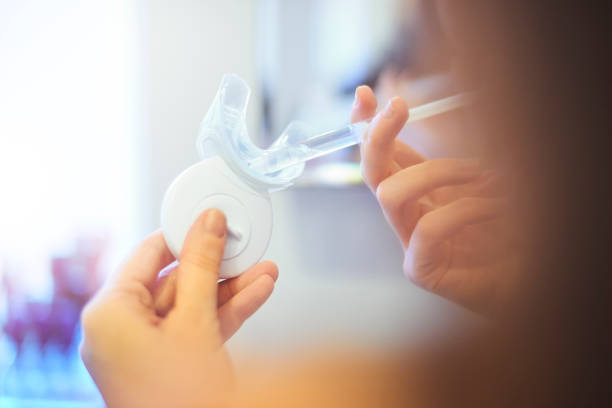
At-home whitening offers notable benefits, making it an appealing option for individuals seeking a brighter smile. One of the primary advantages is convenience. This method enables you to whiten your teeth on your own schedule without the need for frequent dental visits. At-home whitening typically involves a whitening kit, comprising a whitening tray and whitening gel and is supervised by a dentist.
These dentist-prescribed kits are generally more affordable than in-office treatment, making them accessible to more patients seeking cost-efficient whitening services. The process can be gradual, allowing you to control the pace and monitor your tolerance, especially if you have sensitive teeth. However, it’s important to note that these options might not achieve a perfectly uniform smile, particularly if you have significant dental bonding.
At Casa Dental, we offer customised whitening services to meet our clients’ specific needs. Our professional whitening systems include:
In-House Whitening (ZOOM)
Our in-office treatment utilises Zoom technology to deliver quick and reliable results, using high concentration peroxide gel administered by our dentists. This combination increase your changes in a noticeably brighter smile in just a single visit.
Home Whitening Kit (Opalescence)
For clients preferring a more flexible approach, our take-home whitening kits offer an effective solution. These kits feature custom-fitted trays and professional-grade whitening gel, enabling clients to achieve optimal results from the comfort of their homes under the guidance of our dentists.
Addressing Colour Mismatch
A common issue with whitening treatments is the colour mismatch between whitened natural tooth enamel and bonded areas.

Whitening your natural teeth might reveal an uneven colour with your bonded material, particularly with resin bonding. Here’s how your dentist can address this:
Replacing Discoloured Bonding. If the bonding material appears darker after tooth whitening, your dentist can replace it with new resin that matches the shade of your newly whitened teeth.
Adjusting Bonding Shade. In some cases, your dentist might be able to adjust the shade of the existing bonding material to achieve a better colour alignment.
Most dentists advise patients to have their teeth professionally whitened, either through an in-office treatment or with take-home whitening gels and trays, before proceeding with any bonding or other cosmetic dental work. This allows the dentist to match the bonding material to the new tooth colour for a uniform, natural-looking smile.
Maintaining Your White Smile
Maintaining the brightness of your smile requires diligent oral hygiene practices for both natural and bonded teeth. Here are some important tips:
- Brushing your teeth twice a day (or as needed) with fluoride or whitening toothpaste
- Flossing daily
- Regular dental checkups and cleanings
Remember, certain lifestyle habits can cause stains, including drinking coffee, tea, red wine, and smoking. Limiting these or using a whitening mouth rinse after consuming them can help minimise staining.
Consulting Your Dentist
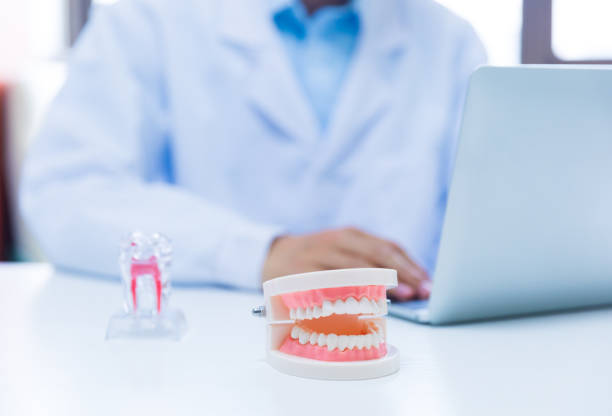
Consulting your dentist is crucial when considering whitening options for bonded teeth. A professional evaluation will help determine the right approach tailored to your specific needs. Your dentist might consider factors like the age of your bonding, as older composites can become discoloured or worn and may need to be replaced for optimal whitening results. Your overall oral health is also important, as existing dental conditions might influence the suitability and safety of whitening treatments.
Additionally, the type of bonding material used is significant; your dentist can identify the bonding type, resin or porcelain, and plan accordingly. The frequency of exposure to staining agents, such as coffee, tea, and tobacco, will shape the strategy for maintaining a consistent smile over time. By discussing these things with your dentist, you can achieve a bright, white smile that looks natural and stunning.
Conclusion
Whitening bonded teeth is not a simple process. Attempting to whiten them on your own could lead to uneven results or even damage the bonding. If you’re determined to lighten up the colour of your bonded tooth, the best course of action is to seek professional guidance.


