

If you have been told you have a crossbite, or suspect you might; you likely already know the basics. The upper teeth sit where they should not, either partially or completely behind the lower teeth, and it affects more than just how your smile looks. This guide covers how crossbites are assessed, what treatment involves depending on your situation, and what to expect along the way.

Whether you’re dealing with a crossbite yourself or seeking information for a loved one, this guide will provide valuable insights to help you navigate the journey towards achieving a well-aligned bite and maintaining optimal oral health.
Understanding Crossbites
A crossbite is a dental condition where the upper teeth do not align correctly with the lower teeth when your mouth is closed, instead of the normal position where the upper teeth should overlap the lower teeth slightly. This misalignment can affect a single tooth or multiple teeth in front, back, or side of the mouth and is often related to jaw positioning issues. Crossbites can result from genetic factors, delayed loss of baby teeth, injury, or habits like mouth breathing and thumb sucking.
Recognising the signs and symptoms of a crossbite is important, as it can lead to tooth wear, gum recession, increased risk of tooth decay, and jaw pain over time. If you suspect a crossbite, seeking professional diagnosis and timely treatment is crucial.
Crossbite Symptoms
- Overlapping or misaligned teeth
- Tooth erosion
- Jaw discomfort or pain
- Breathing issues
- Difficulty chewing or biting
- Speech challenges
- Asymmetry in facial structure
- Headaches
- Changes in bite over time

Front vs Back Crossbite
Crossbites can be classified into two main categories: anterior and posterior.
Anterior crossbite occurs when the upper front teeth overlap or sit inside the lower front teeth. This type of crossbite is often noticeable, as shown in the image above, and can affect a person’s appearance.
Posterior crossbite involves the misalignment of the back teeth. In this case, the upper back teeth overlap or sit inside the lower back teeth. While less noticeable than an anterior crossbite, posterior crossbites can still lead to oral health problems and affect the bite’s overall function.
How to Diagnose a Crossbite
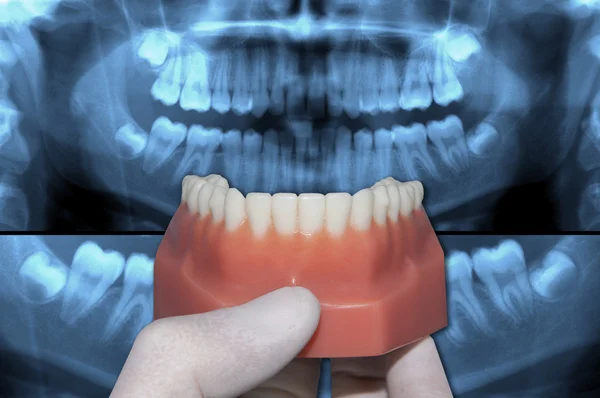
Diagnosing a crossbite involves a thorough clinical examination by a qualified dentist. This includes assessing your teeth alignment and the upper and lower jaws. Dentists will also examine how the crossbite affects your chewing and jaw function.
Imaging techniques such as dental X-rays or 3D scans may be used to provide detailed visuals of your teeth and jaw alignment. This helps in understanding whether the crossbite is dental (teeth-related) or skeletal (jaw-related), which guides the treatment approach.
Treatment Options for a Crossbite
Crossbite correction depends on the severity of your condition and whether it’s dental or skeletal. Some common treatment options include:
Braces or Clear Aligners
Braces or clear aligners like Invisalign are versatile solutions for correcting crossbites. They are effective for children, teenagers, and adults, gradually moving teeth into proper alignment. In cases of crossbite, these treatments work by adjusting the position of misaligned teeth, bringing them into the correct bite over time.
Elastics or Rubber Bands
When combined with braces, elastics or rubber bands help reposition the upper and lower teeth into their correct bite. These bands create the force needed to guide the teeth into the proper alignment, addressing both anterior and posterior crossbites.
Palatal Expander
A palatal expander is a fixed appliance used to widen the upper jaw, and it is most effective when the jaw is still developing in childhood. It is often used before braces as a preparatory step, creating the space needed for permanent teeth to erupt in better alignment. Once the desired expansion is achieved, braces or aligners continue the correction from there.
Tooth Extraction
In some cases, tooth extraction may be necessary to create space for proper alignment, especially if crowding contributes to the crossbite. By removing one or more teeth, orthodontic appliances can then more effectively move the remaining teeth into their correct positions.
Surgical Intervention
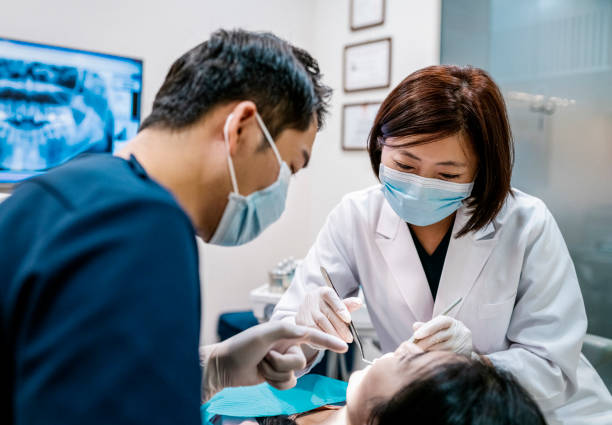
For severe skeletal discrepancy, especially in adults where the jawbones are fully developed, jaw realignment surgery (orthognathic surgery) may be required to reposition the upper or lower jaw. This is often considered when orthodontic treatment alone cannot resolve the issue. Surgery realigns the jaw, fixing the underlying cause of the crossbite.
Each treatment option offers a tailored approach to resolving crossbites, depending on whether the misalignment is due to tooth positioning, jaw size, or both.
Crossbite Treatment in Adults vs. Children
Age is one of the more important factors in determining which treatment path is realistic. In children, the jaw is still developing, which means palatal expanders and orthodontic appliances can guide jaw growth more predictably. Treatment at this stage is generally more straightforward and may produce results that would not be achievable later.
In adults, the jawbones are fully formed. Dental crossbites, where the problem lies in tooth position rather than jaw structure; can still be corrected with braces or clear aligners. Skeletal crossbites in adults, where the jaws themselves are misaligned, are harder to address through orthodontics alone and may require surgical evaluation.
This does not mean adult treatment is out of reach. Many adults are good candidates for orthodontic correction, particularly when the crossbite is confined to a small number of teeth. A clinical assessment, including X-rays or a CBCT scan, is the clearest way to understand what is and is not possible for your specific case.
What Happens If a Crossbite Is Left Untreated
A crossbite rarely resolves on its own. Without correction, the uneven forces on your teeth and jaw tend to accumulate. Teeth may wear down unevenly, with some surfaces eroding faster than others. Gum recession can develop around teeth that bear disproportionate pressure. Over time, jaw muscles may compensate for the misalignment, contributing to facial asymmetry or temporomandibular joint (TMJ) discomfort in some cases.
None of this happens overnight, and not every untreated crossbite leads to severe complications. The concern is that the longer structural issues remain unaddressed, the more complex correction may become, and the more damage there may be to manage alongside the misalignment itself. Early assessment gives you more options, not fewer.
Cost of Crossbite Treatment
Crossbite treatment costs in Singapore vary considerably depending on the type of correction needed. A dental crossbite treated with clear aligners or braces sits at a different price point from a skeletal crossbite requiring surgical intervention, and the gap between the two can be significant.
Several factors influence what you will actually pay. The severity and extent of the misalignment matters, as does whether the crossbite is dental or skeletal in origin. The type of appliance chosen, the length of treatment, and whether additional procedures such as extractions or expanders are involved all affect the final figure. Adults and children may also follow different treatment paths, which can affect both complexity and cost.
For a detailed breakdown of what crossbite treatment typically costs in Singapore, including what influences pricing across different treatment types, learn more about our braces cost Singapore guide.
At Casa Dental, flexible payment plans are available to help spread the cost of treatment over time. Contact us to find out more about payment options at your nearest branch.
Prevention of Crossbites
- Early Intervention
Identifying a crossbite early makes treatment more manageable. If you notice that your teeth and your child’s teeth are not aligning properly or if they are frequently engaging in habits like excessive tongue thrusting, schedule a dental visit immediately. A dentist can assess your child’s oral development and recommend preventive measures to avoid malocclusion.
- Early Intervention
- Proper Diet
A healthy diet is important in maintaining overall dental health. Ensure you consume calcium-rich foods like cheese, milk, and yoghurt. These nutrients help strengthen teeth, supporting proper alignment and maintaining normal occlusion.
- Proper Diet
- Avoid Pacifiers and Thumb Sucking
Pacifiers and thumb sucking are common causes of crossbites. Encourage weaning from these habits by age 3 to reduce the risk of developing bite and oral issues.
- Avoid Pacifiers and Thumb Sucking
- Good Oral Hygiene
Proper flossing and brushing techniques are essential for preventing cavities and other dental problems, which can contribute to the development of crossbites. Ensure regular dental care to support healthy teeth and jaw alignment.
- Good Oral Hygiene
- Treat Teeth Grinding and Jaw Issues
If you notice that you are grinding your teeth at night, see your dentist for a checkup and get a nightguard to wear while sleeping. Similarly, if you experience any jaw discomfort or disorder, seek professional evaluation to prevent it from progressing into more serious conditions.
- Treat Teeth Grinding and Jaw Issues
- Regular Dental Checkups
Routine dental checkups every 6 months are vital for identifying occlusion problems early on. Regular cleanings and evaluations can prevent oral problems from worsening and ensure timely intervention if necessary.
- Regular Dental Checkups

Social and Psychological Impact of Crossbites
Crossbites can have significant social and psychological effects on individuals, particularly children and teenagers. Dental misalignment can lead to noticeable aesthetic concerns, which may affect self-esteem and confidence. Individuals with crossbites often experience teasing or bullying, leading to social withdrawal and anxiety. Furthermore, the discomfort associated with crossbites can hinder participation in social activities, compounding feelings of isolation. Studies indicate that individuals with dental issues like crossbites may exhibit higher rates of psychological distress due to their perceived appearance and the functional limitations imposed by the condition.
Crossbites and Speech Impairments
Crossbites are closely linked to various speech impairments. The misalignment of teeth affects how the tongue interacts with the teeth during speech production. Common issues include lisping, where sounds like “s” and “z” are pronounced incorrectly due to improper tongue placement. Additionally, crossbites can lead to tongue fronting or lateralisation, which distorts speech sounds and affects intelligibility. Research shows that children with posterior crossbites are more likely to experience speech distortion compared to their peers without such dental issues. Early intervention through orthodontic treatment can significantly enhance speech clarity by correcting the underlying misalignments.
Oral Hygiene Challenges with Crossbites
Maintaining oral hygiene can be particularly challenging for individuals with crossbites. The irregular alignment of teeth creates difficult-to-reach areas in the mouth, which may increase the risk of plaque buildup and subsequent dental issues such as cavities and gum disease. Additionally, individuals may experience discomfort while brushing or flossing due to the positioning of their teeth, which can lead to neglect in oral care routines. Regular dental checkups and tailored oral hygiene strategies are essential for managing these challenges effectively.
Conclusion
If you’re dealing with a crossbite, it’s important to take action sooner rather than later to prevent long-term dental complications. By understanding its ins and outs, you can make informed decisions to improve your bite alignment and oral health.
Don’t let a crossbite affect your quality of life. Consult with a dental professional to create a personalised treatment plan that meets your needs. Start your journey toward a healthier, more confident smile by scheduling a consultation today!


