

Brushing teeth with braces requires adjusting both your technique and your routine. The hardware creates more surfaces for plaque to cling to, and standard brushing habits that worked before braces often miss the areas that matter most. This article covers the correct approach, the tools worth using, and the mistakes to fix early.
Why Proper Brushing is Essential for People with Braces
Proper brushing is vital for anyone with braces, as the brackets, wires, and bands used in orthodontic treatment can trap food particles and plaque more easily than usual. Without effective brushing, these trapped particles can lead to dental problems that may prolong your treatment.
Prevention of Plaque Buildup
Braces create more spaces where food particles and plaque can get trapped, leading to tooth decay and gum issues. Plaque can start forming within hours of eating and, if left unattended, can harden into tartar, making it even harder to remove and causing cavities.
Avoiding Gum Disease and Inflammation
Gum health is essential when wearing braces. Without regular brushing and flossing, plaque can harden into tartar, leading to gum disease. Over time, untreated gum inflammation can progress into periodontitis, a severe gum disease that can harm the bone supporting your teeth.
Maintaining Fresh Breath
Wearing braces can make it easier for food particles to become trapped, leading to bad breath. Bacteria thrive on food particles stuck in your braces, and without regular cleaning, the bacteria can produce sulfur compounds, which result in unpleasant breath.
Protecting Your Teeth from Stains
Proper brushing prevents discolouration around your braces. If you don’t clean your teeth thoroughly, you may notice white spots (decalcification) forming around the brackets, which are areas of enamel that have weakened due to plaque acids.
What Poor Hygiene Actually Looks Like at the End of Treatment
The most common consequence of inconsistent brushing during orthodontic treatment is not cavities, it’s white spot lesions. These are patches of weakened enamel that form around brackets when plaque is left in contact with the tooth surface for too long. They appear as chalky white marks and become visible once the brackets are removed. Unlike staining, white spot lesions do not polish off. They are a structural change to the enamel.
This is worth knowing before treatment starts, not after. Good brushing habits from the first week reduce this risk significantly.
Proper Brushing Techniques for Braces
Maintaining a good brushing technique ensures your teeth stay healthy while wearing braces. Brushing incorrectly can lead to plaque buildup and other complications that could extend your treatment.
Step-by-Step Instructions
- Begin with rinsing: Rinse your mouth with water to dislodge any loose particles of food trapped in your braces.
- Use a soft-bristled brush: Use an electric toothbrush or a soft manual brush designed for braces, which can reach around the brackets and wires.
- Hold the brush at a 45-degree angle: Tilt the brush head towards your gum line and the brackets to remove plaque effectively.
- Brush gently: Use circular motions and thoroughly brush each tooth’s outer and inner surfaces and chewing surfaces.
- Clean the braces: Brush the brackets, wires, and around the gum line with extra care to avoid food particles accumulating around the hardware.
- Brush for at least 2 minutes: Dentists suggest brushing for two minutes, ensuring you clean all teeth thoroughly.
- Don’t forget the tongue: Brush your tongue to remove bacteria and ensure fresh breath, as bacteria on the tongue can contribute to oral issues.
Ideal Brushing Duration and Frequency
When wearing braces, it’s important to brush your teeth after every meal to avoid food from getting stuck in them. Ideally, brush your teeth for at least two minutes, paying extra attention to your brackets and wires. Dentists recommend brushing your teeth at least three times a day: in the morning, after meals, and before bed.
Brushing After Meals
Food quickly becomes lodged in braces, especially after meals. Brushing immediately after eating helps prevent food particles from sticking to your braces, reducing the risk of decay and bad breath. Make it a habit to brush your teeth after every meal or snack to maintain good oral hygiene while wearing braces.
Best Tools for Brushing with Braces
Using the right tools makes brushing with braces more effective and less challenging. Specially designed brushes and flossing tools can reach areas that regular toothbrushes may miss.
Best Toothbrushes for Braces
Using a toothbrush designed for braces can help clean around the brackets and wires more efficiently. These brushes often feature softer bristles and smaller brush heads for better manoeuvrability around the braces.
| Toothbrush Type | Pros | Cons | Recommendations |
|---|---|---|---|
| Manual Toothbrush | Affordable, easy to find | May not clean as thoroughly as electric | Use soft bristles, angled correctly |
| Electric Toothbrush | Thorough cleaning, multiple modes | More expensive, needs charging | Ideal for deep cleaning around braces |
| Orthodontic Toothbrush | Specially designed for cleaning braces | Can be more expensive | Highly recommended for braces wearers |
Interdental Brushes and Floss Threaders
Flossing can be tricky with braces, but tools like interdental brushes and floss threaders make it easier. Interdental brushes help clean between teeth and around brackets, while floss threaders guide waxed floss through the spaces between your wires and teeth, allowing for thorough cleaning. These tools are essential for preventing plaque buildup and keeping your gums healthy.
Mouthwash for Extra Protection
Using fluoride mouthwash helps reduce cavity risk and can strengthen enamel around brackets. Some mouthwashes are specially formulated for braces wearers and can help reduce inflammation and prevent bacteria from building up around brackets and wires. Choose a mouthwash that’s suitable for sensitive teeth and includes fluoride.
Common Mistakes to Avoid When Brushing with Braces
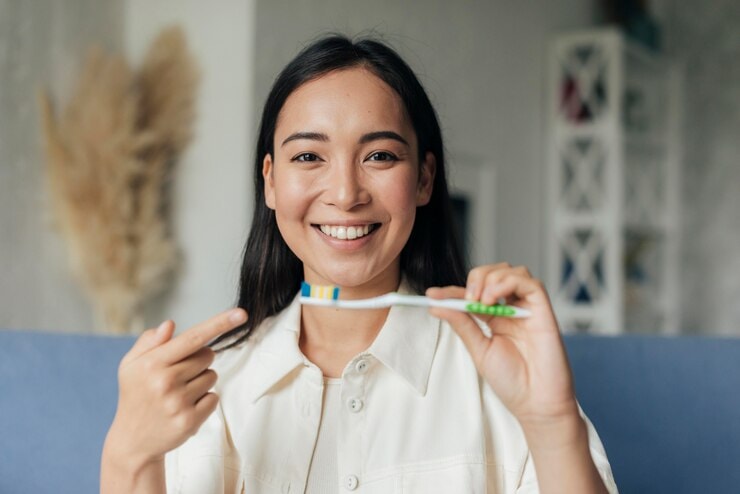
Brushing with braces can be challenging, but avoiding these common mistakes will help keep your teeth healthy:
Brushing Too Hard or Too Soft
Applying too much pressure can damage your braces and irritate your gums, but brushing too lightly may not entirely remove food particles and plaque. Maintain a gentle but firm brushing action, focusing on a thorough clean without overdoing it.
Missing Hard-to-Reach Areas
Braces can make it hard to clean all areas of your mouth. To avoid decay around your braces, pay extra attention to the spaces between your brackets and wires, as well as your upper and lower teeth. Use a mirror to check missed spots.
Neglecting to Brush After Snacks
Even snacks can leave food particles behind that can stick to your braces. Make a habit of brushing after any snack to prevent plaque and tartar buildup and maintain fresh breath.
How Brushing with Braces Impacts Orthodontic Treatment
Proper oral hygiene can directly impact the success and duration of your orthodontic treatment.
Reducing Treatment Time
Maintaining good oral hygiene can prevent issues like tooth decay, gum disease, tartar and plaque buildup, which could delay your treatment. Poor hygiene during treatment can sometimes delay progress if gum issues need to be addressed first.
Preventing Unnecessary Repairs
Poor brushing habits can damage your braces, such as broken brackets or loose wires, resulting in additional visits to your dentist. Avoid these issues by following the proper brushing techniques and using the right tools.
What Your Dentist Checks at Every Adjustment Visit
At each adjustment appointment, your dentist will look at your teeth and gum line before making any wire changes. If there is visible plaque buildup or early signs of gum inflammation, they will note it. Persistent hygiene issues can affect the pace and planning of treatment, in some cases, certain steps may be delayed until the gum condition improves.
This does not mean one missed brushing session derails anything. It means that the hygiene habits you build in the first month tend to persist throughout treatment, and adjustment visits are where the cumulative effect becomes visible.
Additional Oral Care Tips for People with Braces
Brushing is one important step, but there are other important steps to take to keep teeth and gums healthy during orthodontic treatment.
The Role of Flossing
Flossing with braces can be difficult but is crucial for preventing gum disease. Use waxed floss and floss threaders to reach between your teeth and braces. Interdental brushes can also help clean between teeth more effectively.
Regular Dental Visits
Visiting your dentist regularly for cleanings and check-ups is essential while wearing braces. They can clean areas difficult to reach with a toothbrush and ensure your braces are in good condition.
Brushing Techniques for Different Age Groups
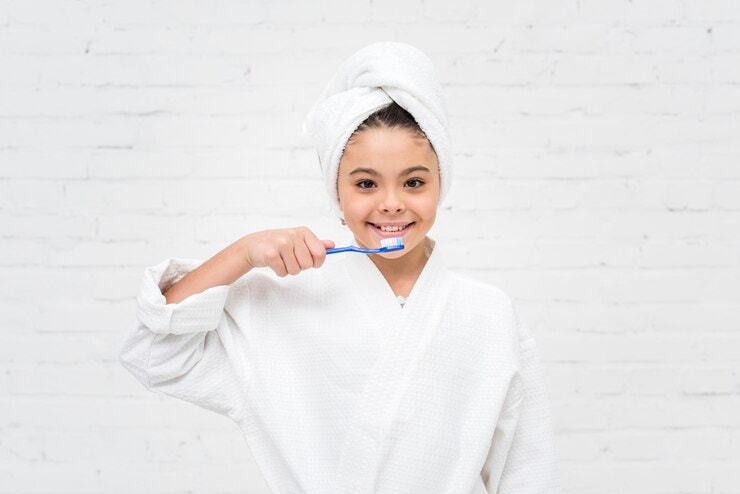
Brushing with braces can vary depending on your age. Here are some specific tips for each group:
Brushing for Kids with Braces
Children wearing braces may need extra help brushing. Parents can encourage good brushing habits by monitoring their child’s teeth-cleaning routine and ensuring they follow the correct steps.
Teens and Braces: What to Keep in Mind
Teenagers wearing braces face a practical challenge that adults do not: they eat at least one meal away from home, usually at school, and brushing after lunch is not always easy. Food left in braces for several hours, through afternoon classes and activities is one of the more common reasons for plaque buildup in teen patients.
A travel-sized toothbrush and a small tube of toothpaste kept in a school bag makes after-lunch brushing manageable. An interdental brush is compact enough to carry and takes under a minute to use. It does not have to be a full two-minute routine, clearing the brackets after eating is what matters.
Adults Brushing with Braces
Adults with braces may struggle to balance oral care with busy schedules. Adults with braces often find the after-lunch brush hardest to maintain. A compact kit at the office desk helps build the habit.
Conclusion
The technique takes a few days to feel natural. The bigger challenge is consistency, particularly brushing after meals when you are at school, at work, or out. Keeping a small kit with you makes that easier.
If you have braces and are noticing persistent gum sensitivity or discolouration around your brackets, your next adjustment visit is the right time to raise it. Your dentist can check for early signs of decalcification and advise on adjustments to your routine.
If you are still deciding on braces, you can find out what to expect at a consultation or book directly here.


