

Once your Invisalign treatment ends, retainers take over the job of keeping your teeth in place. This is not optional because without them, teeth have a natural tendency to drift back toward their original positions, sometimes within a matter of weeks. This guide covers the four main retainer types available after Invisalign, what to expect from each, and how to care for them over the long term.
What is Invisalign Retainer?
Invisalign retainers are important for post-treatment care after using Invisalign aligners. They are crafted from thin, transparent plastic and resemble the aligners used during treatment.
Retainers differ from Invisalign aligners in their function and materials. Invisalign aligners gradually move teeth using pressure, while retainers maintain the final tooth position without actively shifting them.
In terms of materials, Invisalign aligners are made from a unique medical-grade thermoplastic material that is thinner and more flexible than most retainers. Retainers, on the other hand, are usually made of clear plastic and are custom-made to fit the patient’s teeth contours.
Types of Invisalign Retainers
There are different types of Invisalign retainers. Options include the premium Vivera retainers, a choice because of its robustness, clarity, and personalised fit. While Vivera retainers are a popular choice for those who prioritise strength, aesthetics, and a customised fit, alternative types of retainers like Hawley, bonded, and Essix retainers offer their unique set of benefits. These alternatives address different needs and preferences, ensuring there is a suitable option for everyone.
Vivera Retainers

Vivera retainers are distinguished by their exceptional strength, crystal-clear appearance, and tailored fitting. These retainers are fabricated from a proprietary material that is 30% stronger than other clear retainer types. This significant strength advantage not only prolongs their lifespan but also provides superior resistance against teeth shifting.
Hawley Retainers
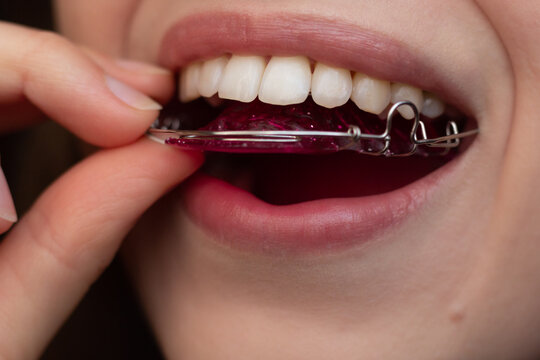
Hawley retainers, a traditional choice in teeth alignment maintenance, are durable and can be adjusted if your bite shifts slightly. Crafted from a combination of metal wire that wraps around the teeth and an acrylic base that sits on the roof of the mouth, these retainers are easily recognisable. Their design allows for minor adjustments to be made, ensuring a perfect fit throughout their use.
One of the key advantages of Hawley retainers is their longevity, which can last for many years. However, they are more visible than clear retainers, which may be a drawback for those who prefer a more discreet option. The metal wires can also be uncomfortable for some users, especially initially.
Bonded Retainers (Fixed Retainers)
Bonded retainers, often referred to as fixed retainers, consist of a thin wire permanently attached to the inner surface of the upper or lower front teeth. This subtle approach to teeth retention is virtually invisible to others, offering a cosmetic advantage for those who are conscious about their appearance post-orthodontic treatment.
The permanent nature of a fixed retainer makes it a reliable choice for those looking to maintain their orthodontic results over the long term without the need for remembrance or compliance in wearing a removable retainer regularly. However, this can also be seen as a disadvantage. They require meticulous oral hygiene practices to prevent plaque build-up around the retainer wire, leading to gum disease or tooth decay if neglected.
Additionally, because they are permanently fixed, any damage or breakage necessitates a visit to an orthodontist for repair or replacement, which may incur additional costs.
Essix retainers
Essix retainers are similar to the Invisalign trays. They are made from a clear PVC or polyurethane material, which provides a snug fit over the entire arch of the teeth. One of the main advantages of Essix retainers is their invisibility, making them less visible than metal alternatives.
Essix retainer is generally considered to be less durable than a Vivera retainer. The material from which Essix retainers are made is thinner and can be more prone to cracks and breaks if not handled carefully.
Which Retainer Type Tends to Suit You?
The right retainer depends less on which option sounds best on paper and more on how you actually live day-to-day.
Vivera retainers are a common first choice for patients who completed Invisalign because the material and fit process are already familiar. They tend to suit patients who want a clear, comfortable option and are confident about wearing it consistently every night.
Essix retainers are a reasonable alternative if Vivera is not available through your clinic, though they are thinner and may need to be replaced sooner. Some dentists recommend them as interim retainers while a longer-term plan is confirmed.
Hawley retainers are rarely the first choice for post-Invisalign patients who prioritise discretion, but they can be adjusted if minor tooth movement occurs after treatment. For patients with known bite instability or who are going through a growth phase, the adjustability may matter more than aesthetics.
Bonded retainers remove the compliance question entirely since they are fixed to the back of the teeth. They tend to suit patients who are concerned about forgetting to wear a removable retainer, or where the dentist identifies a higher risk of relapse. The trade-off is more careful flossing around the wire.
Your dentist will usually recommend based on the complexity of your treatment, your bite, and your lifestyle. Some patients use a combination: a bonded retainer on the lower teeth (where movement is most common) and a removable retainer on the upper.
Comparison of Invisalign Retainer Types
Note: This table provides a general overview. Consult your dentist for specific recommendations on the best type of retainer for your individual needs.
Why Do You Need Invisalign Retainers?
Over time, it is natural for your teeth to shift due to various factors such as ageing, teeth grinding, or even the pressure exerted by daily activities like chewing. This gradual movement can potentially compromise the straightness of your teeth achieved through orthodontic treatments, leading to what is known as relapse.
After investing a significant amount in Invisalign treatments to achieve that perfect smile, the risk of relapse without the use of retainers could mean your teeth gradually returning to their pre-treatment positions. This not only undermines the investment made in your orthodontic care but also might entail additional costs for corrective treatments in the future.
While the cost of Invisalign retainers might be an added expense, it’s essential to consider them as a long-term investment in maintaining your smile. Additionally, it’s worth exploring whether your dental insurance plan offers coverage for retainers, as some insurance plans may partially or fully cover its cost, mitigating the financial impact of this essential post-treatment care.
What Happens If You Skip Wearing Your Retainer
Relapse is gradual rather than sudden, which is part of why it catches people off guard. Teeth do not snap back overnight. Instead, they drift slowly, often starting with small rotations or spacing that you might not notice for months.
The period immediately after Invisalign ends is when teeth are most susceptible. The bone and soft tissue around the teeth are still adapting to the new positions. Consistent retainer wear during the first few months helps stabilise them in place before the surrounding structures fully settle.
Patients who stop wearing their retainers entirely sometimes find they can no longer fit their retainer back over their teeth after a few weeks. At that point, a new retainer may not be enough — additional aligner refinements or retreatment may be needed.
Minor gaps in wear (missing a night or two) are less likely to cause visible movement. But extended breaks, especially in the early post-treatment phase, are where meaningful drift tends to happen.
Caring for Your Invisalign Retainers
Invisalign retainers are like any other orthodontic treatment- they require proper care to work effectively. Some tips to ensure they stay clean and functional include cleaning routines, storage and knowing their do’s and don’ts.
Cleaning Routines
It’s crucial to adhere to a daily cleaning routine to maintain the integrity and cleanliness of your Invisalign retainers. Begin by using a soft toothbrush – this is gentle enough to avoid scratching the retainers. It is advisable to use clear, antibacterial soap as your primary cleaning solution because it is effective in eliminating bacteria without clouding or discolouring the aligners. Avoid using toothpaste, especially those that are abrasive, as they can scratch the surface, making the retainers less invisible.
Equally important is the practice of soaking your Invisalign retainers. You should submerge them in either the cleaning solution recommended by your dentist or in a denture cleaner. Please ensure to follow the soaking duration as advised by your dental professional. This soaking process not only helps in deep cleaning but also ensures the retainers remain clear and free from harmful bacteria.
Storage
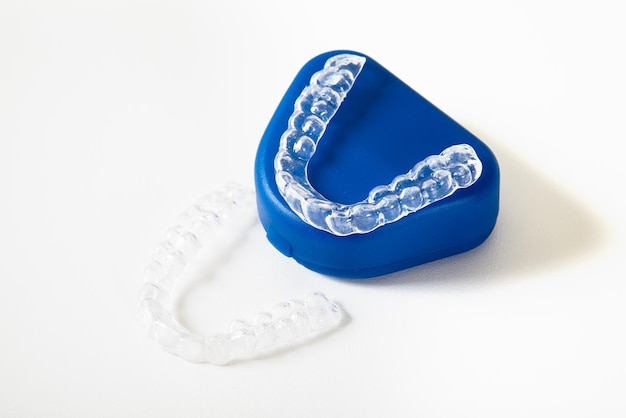
Always use the designated storage case provided to keep your retainers safe when not in use. This not only prevents damage but also minimises the risk of losing them. It’s particularly easy to misplace or accidentally throw them away if left out in the open, such as on a napkin during meals.
When travelling, it’s wise to bring along extra cleaning solutions and a spare storage case. This ensures that, no matter where you are, you can maintain your cleaning routine and have a safe place to store your retainers. Packing a small, portable cleaning kit, including the essentials, can greatly ease the maintenance of your Invisalign retainers while away from home.
Do’s and Dont’s
Taking proper care of your Invisalign retainers is essential for their longevity and effectiveness. Here are some important habits to adopt:
Do’s:
- Rinse your retainers with cold water every time you remove them to minimise bacterial build-up.
- Keep your retainers away from high temperatures; hot drinks and hot water can warp the plastic.
- Always place your Invisalign retainers in their case when you’re not wearing them to avoid damage or loss.
Don’ts:
- Avoid exposing your retainers to harsh chemicals, including alcohol-based mouthwashes, as these can damage the material.
- Do not use your retainers as a substitute for chewing gum. Chewing can bend or warp them, affecting their fit and effectiveness.
- Refrain from leaving your retainers out in the open when not in use, as exposure to air can dry them out and make them brittle.
How Long to Wear Invisalign Retainers After Treatment?
Following the completion of Invisalign treatment, it is recommended to wear retainers full-time for a specific period, usually around 4 to 6 months. This protocol is crucial to maintain the teeth in their new positions until they stabilise.
After this initial phase, the need to wear the retainers full-time gradually decreases. Patients may then be advised to wear them only at night. However, it cannot be overstressed how essential it is to adhere strictly to the specific instructions provided by your dentist or orthodontist, as the precise duration can vary based on individual treatment plans and the complexity of the dental corrections.
In the long term, many orthodontists suggest the occasional nighttime wear of retainers indefinitely to prevent teeth to have the tendency to naturally shift back to their original positions over time. This practice ensures the longevity of the treatment results and helps maintain a straight and healthy smile.
What to Expect in the First Few Months
The transition from full-time wear to nights-only is not a fixed date on a calendar. Most dentists will review how your teeth are tracking before changing your schedule.
In the first four to six weeks, wearing your retainer every day also helps your teeth settle in a way that feels comfortable rather than tight. If a retainer that previously fitted well starts to feel snug after a day of not wearing it, that is a signal to wear it more consistently, not less.
Slight pressure when inserting the retainer after a gap in wear is normal. Pain or a retainer that no longer seats fully is not, and both are worth checking with your dentist rather than forcing.
Most patients find the first two to three months require some adjustment, particularly around eating and speaking. By around the three-month mark, nighttime-only wear tends to feel routine.
Why Choose Casa Dental for Invisalign Retainers?
At Casa Dental, our team of dentists brings a wealth of knowledge and experience, especially when it comes to cosmetic dentistry and Invisalign retainers. Each of our dentists is trained in cosmetic dentistry and Invisalign about transforming smiles. This ensures that our patients receive the most modern and effective treatments available.
We pride ourselves on a treatment philosophy that centres around a personalised approach. Understanding that each smile is unique, we tailor our Invisalign treatments to suit the individual needs and lifestyles of our patients.
It’s this combination of cutting-edge expertise, a patient-centric approach, and genuine care for our patients’ well-being that is what informs how we approach aftercare planning for each patient
Conclusion
These innovative devices are critical for ensuring that the time, effort, and investment you’ve put into achieving your perfect smile are preserved for the long term. It is immensely important to work hand-in-hand with your dentist to create a personalised aftercare plan that suits your unique dental profile and lifestyle, ensuring the best possible outcome.
Completing your orthodontic treatment is a significant milestone worth celebrating.


