

An open bite is a gap between the upper and lower teeth when the mouth is closed, most often at the front teeth. It can affect speech, chewing and how the teeth wear over time. Causes range from thumb sucking and tongue thrusting to jaw growth, and treatment depends on which applies.
What Is an Open Bite?
An open bite is a type of dental malocclusion where the upper teeth and lower teeth do not make contact when the mouth is closed. This irregularity creates a noticeable gap between the teeth, which can affect the front of the mouth. This condition is not solely a cosmetic issue; it can have serious implications on oral and overall health if left untreated.
Several factors can contribute to an open bite, including:
- Genetics – Uneven jaw growth or misalignment passed down through family traits.
- Childhood habits – Thumb sucking, pacifier use, or excessive bottle feeding can prevent proper tooth alignment.
- Tongue thrusting – A habit where the tongue pushes against the teeth when swallowing or speaking, leading to gaps.
- Mouth breathing – Breathing through the mouth instead of the nose can impact jaw and dental development.
- Injury or trauma – Accidents that affect jaw alignment or teeth can result in an open bite.

Front vs Back Open Bite
Open bites can be classified into several types, based on which teeth fail to contact the opposing arch. Each affecting various areas of dental occlusion.
- In a posterior open bite, the back teeth do not come into contact when the mouth is closed. This can lead to difficulties in chewing and can affect overall dental function. The anterior teeth may touch, but there is a gap at the back, which can result from skeletal discrepancies or misalignments.
- An anterior open bite occurs when the front top and bottom teeth do not touch, leaving a gap when the mouth is closed. This type is often caused by habits such as thumb sucking or tongue thrusting, and it can lead to speech issues and aesthetic concerns.
- A lateral open bite occurs when there is an open bite on one side of the mouth, affecting either the upper or lower teeth laterally. This can result from uneven jaw growth or misalignment of teeth on one side, leading to functional issues during biting and chewing.
If the gap is mainly at the front teeth, some adults ask whether cosmetic options can help. Our guide on veneers for open bite explains when they may suit a case and when they may not.
Early intervention can prevent these issues, so it’s important to seek open bite treatment as soon as possible.
How Common Is Open Bite?

Open bite is considered a less common type of dental misalignment compared to overcrowding or overbite, but it can affect both children and adults. The condition may develop during childhood due to oral habits or appear later because of jaw growth patterns and untreated alignment issues.
Open bites are generally seen more often in children, especially during developmental years when habits such as thumb sucking, prolonged pacifier use, or tongue thrusting influence tooth positioning. In some cases, these issues improve as habits stop and the jaw continues to develop. However, untreated open bites may persist into adulthood and become more complex to correct.
Habit-Related vs Skeletal Causes
The underlying cause of an open bite often determines how severe it becomes and which treatment approaches may be considered.
| Cause Type | Description | Common Examples |
|---|---|---|
| Habit-related open bite | Develops from repeated behaviours that place pressure on teeth or affect jaw development | Thumb sucking, prolonged pacifier use, tongue thrusting, mouth breathing |
| Skeletal open bite | Caused by jaw growth patterns, facial structure, or inherited traits affecting bite alignment | Uneven jaw growth, genetic factors, facial development differences |
Habit-related open bites are more commonly identified in children and may respond better to early intervention. Skeletal open bites often require more comprehensive treatment, particularly in adults with fully developed jaws.
Why Early Intervention Matters
Identifying an open bite early may help reduce the risk of long-term complications affecting oral function and overall dental health. Without management, an open bite may contribute to:
- Difficulty chewing certain foods effectively
- Speech changes, including lisps or pronunciation issues
- Uneven pressure on teeth, increasing wear over time
- Jaw discomfort or strain during biting and speaking
- More complex treatment needs later in life
Early assessment allows dentists to monitor jaw growth, identify contributing habits, and recommend suitable interventions before the condition progresses. In children, this may simplify future treatment, while adults may benefit from addressing symptoms before functional issues worsen.
Symptoms and Diagnosis
Signs of an open bite can vary, but common symptoms include:
- Difficulty biting or chewing food
- Visible gap between the upper and lower teeth when the mouth is closed
- Speech issues, such as a lisp
- Discomfort or strain when closing the mouth
- Misaligned or crooked teeth
- In some cases, issues with breathing, especially during sleep
To properly diagnose an open bite, a dentist will conduct a thorough evaluation. This typically includes a visual examination, where they look for gaps between the upper and lower teeth. Diagnostic tools like X-rays may also be used to assess the alignment of the jaw and teeth. Catching an open bite early, especially in children, can make treatment easier and more effective.
Treatment Options for Open Bite
There are several treatment options available for an open bite:
1. Open Bite Correction with Braces
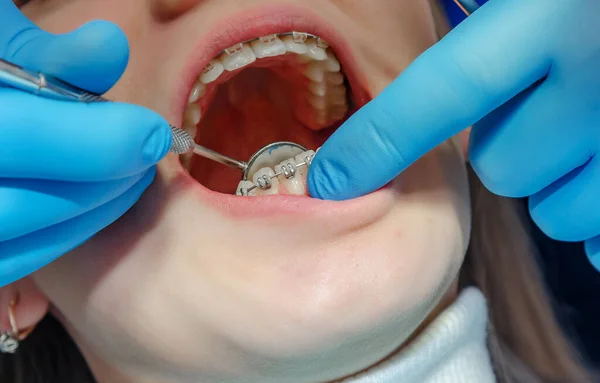
Braces are commonly used to treat open bites by applying consistent pressure to the teeth, gradually bringing them into better alignment. Braces can correct both dental and skeletal open bites, especially in younger patients whose jaws are still developing. Braces work by applying controlled pressure to gradually move teeth into better alignment over time. In open bite treatment, orthodontic movement helps bring the upper and lower teeth into more functional contact, improving biting ability, chewing efficiency, and overall bite balance. Treatment approaches vary depending on factors such as jaw development, severity of the open bite, and underlying causes contributing to the condition.
2. Clear Aligners (Invisalign) for Open Bites
Clear aligners, such as Invisalign, can also correct mild to complex open bites. They work similarly to braces by applying pressure to shift teeth gradually into place, though they are more discreet and removable.

3. Open Bite Surgery (Jaw Surgery)
In severe cases, particularly with a skeletal open bite, jaw surgery or orthognathic surgery may be required to realign the jaws. Surgery is generally considered for adults whose jaws are fully developed, as orthodontic treatments alone may not be enough.
The surgical correction helps reposition the jaws to improve both function and appearance, making it easier to eat, speak, and close the mouth properly.
At Casa Dental, we understand the challenges an open bite can present to your overall oral health and quality of life. With a focus on providing comprehensive care tailored to each patient’s needs, we offer effective and reliable treatments for open bites. Our professional dentists are dedicated to diagnosing and treating this condition, using the right technology and methods to ensure optimal results. Whether you’re exploring orthodontic solutions or considering surgical treatments, Casa Dental is committed to guiding you through each step of your treatment journey with expertise. Discover how our tailored approaches can help you achieve a healthier, more confident smile.
Choosing the Right Open Bite Treatment
Open bite treatment depends on several factors, including age, jaw development, bite severity, oral habits, and overall dental health. Mild to moderate cases may respond well to braces or clear aligners, while more complex skeletal open bites may require a combination of orthodontic treatment and jaw surgery.
Treatment planning also considers daily lifestyle, comfort preferences, and long-term bite stability. Because every case is different, a detailed assessment helps determine which approach may be most appropriate for improving both function and alignment.
Impact of Open Bite on Health
An open bite can have a significant impact on overall health, extending beyond just aesthetic concerns. This dental condition often leads to difficulties in chewing and speaking. As a result, individuals may experience digestive issues due to improper food breakdown and potential speech impairments, such as lisping or slurring words. Additionally, an open bite can cause strain on the jaw muscles, leading to discomfort, headaches, and even temporomandibular joint (TMJ) disorders over time. Misalignment of the teeth also increases the risk of uneven tooth wear and potential gum problems, which can contribute to long-term dental health complications. Early detection and treatment of open bites are crucial not only to improve oral function but also to prevent further health issues that may arise from untreated conditions.
Open Bite in Children vs Adults
Open bites can develop differently in children and adults, with varying treatment approaches.
In most cases, an open bite in children results from habits like thumb sucking, tongue thrusting, or prolonged use of pacifiers. If caught early, interceptive treatments, such as open bite correction with braces, can help guide the growth of the jaw and teeth, making future treatments simpler and more effective.
In adults, an open bite is often caused by skeletal issues or untreated childhood habits. Because the jaw has fully developed, open bite treatment options may be more extensive, and complex cases may require surgical intervention along with orthodontic treatment.
Early detection in children is critical for minimising treatment complexity in the future, while adults may need more comprehensive approaches to correct the issue.
Prevention and Early Detection
Preventive measures play a vital role in managing open bite malocclusion. Here are the key points to consider:

Preventing Open Bites in Children
- Break harmful habits. Discourage thumb sucking and tongue thrusting, as these habits can contribute to open bites.
- Orthodontic intervention. If your child shows signs of an open bite, consider early orthodontic treatment to address the issue before it becomes more severe.
- Regular dental checkups. Schedule regular dental appointments to monitor your child’s oral development and identify any potential problems early on.
Early Detection in Adult
- Be aware of symptoms. Pay attention to signs such as difficulty chewing, speaking, or jaw pain, as these may indicate an open bite.
- Regular dental exams. Visit your dentist for routine checkups to assess your oral health and identify any developing issues.
- Consult a dentist. If you suspect you have an open bite, consult with your dentist for a proper diagnosis and treatment plan.
Tips for Prevention
- Maintain good oral hygiene. Brush and floss regularly, use prescribed toothpaste and mouthwash, and avoid sugary or acidic foods and drinks.
- Protect your teeth. Wear a mouthguard while playing sports or grinding your teeth at night.
- Address underlying issues. If you have a medical condition or facial structure that could contribute to an open bite, seek appropriate treatment.
When Should You See a Dentist for an Open Bite?
Not every open bite requires immediate treatment, but certain signs may indicate that the condition is affecting oral function, comfort, or long-term dental health. Seeking an assessment early can help identify the underlying cause and determine if monitoring or intervention is appropriate.
You may consider seeing a dentist if you experience:
✓ Difficulty chewing or biting food
If eating feels uncomfortable or certain foods are harder to bite into, an open bite may be affecting how your teeth function together.
✓ Speech changes, such as a lisp
Changes in pronunciation or persistent speech difficulties may sometimes be linked to tooth positioning and tongue movement.
✓ A visible gap between upper and lower teeth appears to be worsening
Changes in bite alignment over time may indicate progression, particularly in growing children or adults with untreated bite issues.
✓ Jaw discomfort, tension, or fatigue
Persistent jaw strain, discomfort while chewing, or facial muscle tension may warrant evaluation to assess bite function and jaw mechanics.
✓ A child has prolonged thumb sucking or tongue thrusting habits
Habits that continue beyond early childhood may influence jaw and tooth development, increasing the risk of bite irregularities over time.
Is an Open Bite an Emergency?
An open bite is typically not considered a dental emergency. However, earlier assessment may help prevent worsening symptoms, more complex treatment needs, or functional issues affecting chewing, speech, and jaw comfort.
What Happens During an Open Bite Assessment?
A dentist may evaluate:
- Tooth alignment and bite position
- Jaw growth and facial structure
- Oral habits such as tongue thrusting or thumb sucking
- Speech or chewing concerns
- Imaging or X-rays, if needed, to assess jaw relationships
Understanding the cause of an open bite is important because treatment approaches can differ between habit-related and skeletal open bites. Early evaluation often provides more options, particularly in children whose jaws are still developing.
Conclusion
In summary, understanding what an open bite is and recognising its symptoms are essential steps towards effective treatment. The potential impacts on speech, chewing ability, and overall health highlight the importance of addressing this condition promptly. If you suspect you or a loved one may have an open bite, seeking professional dental advice can pave the way for enhanced oral health and quality of life. Don’t wait—early intervention could make all the difference!


