

Patients experiencing severe pain and discomfort due to a deep tooth decay or trauma have the option to choose root canal treatment that will fix the affected tooth by eliminating the infected pulp. It is important to have knowledge on this because this treatment will save your tooth from being extracted.
In this complete guide, you will know each stage of the root canal treatments procedure, what to expect and how to minimise dental pain and infection. You will also understand how root canal therapy works and what root canal treatment consists of.
Do You Need Root Canal Treatment? Signs and Candidacy
Not every toothache means you need root canal treatment. Dentists usually look for a few specific root canal symptoms before recommending it: pain that lingers after hot or cold food rather than fading within seconds, tenderness when biting or chewing, visible swelling near the gum line, or a tooth that has darkened compared to those around it. These signs point to inflammation or infection inside the tooth’s pulp, rather than surface level sensitivity from enamel wear.
How well the tooth responds to treatment depends largely on how much healthy structure remains and how far the infection has spread. A tooth with extensive decay reaching the root, or one that has fractured below the gum line, may not be a good candidate, and extraction becomes the more realistic option. A dentist at Casa Dental can assess these factors with an X-ray during a consultation, since imaging shows the extent of infection that is not visible during a regular exam.
Root Canal Treatment Procedure: Step-by-Step Consultation and Diagnosis

During your initial dental exam, expect an examination of your teeth and gums by your dentist. This will typically include X-rays to get a detailed result of the affected tooth, particularly the pulp chamber and root canals.
Your dentist will tell you the findings from the X-rays and will explain treatment options for you such as root canal or even extraction. This is important because you will understand why you need a root canal treatment and how it will help treat your mouth.
Preparation for the Procedure
Your dentist may give you some instructions before you undergo with the treatment for a smooth procedure. Usually, they will recommend you to eat healthy foods before the procedure because the anaesthesia will make your mouth numb for hours, making it difficult for you to chew or eat after the treatment.
Since local anaesthesia can leave the mouth numb for a few hours afterward, eating beforehand is generally easier than trying to manage a meal once numbness sets in. If sedation beyond local anaesthesia is used, it’s worth arranging a ride home in advance, since sedation can affect alertness and coordination for a few hours afterward.
It’s also important to tell your dentist if you are taking any medication or maintenance medicines for other illness because they might tell you to stop taking it temporarily or continue doing so, as there can be side effects or impacts in your root canal therapy. Moreover, if you are prone to anxiety, your dentist might suggest options for sedation or prescribe a mild sedative to help you relax during the dental procedure.
It’s also worth avoiding alcohol in the 24 hours beforehand, since it can thin the blood and interact with anaesthesia. Smoking constricts blood vessels and can slow healing afterward, so cutting back where possible in the lead-up to your appointment may help the tooth recover more smoothly
Anesthesia
The dentist will administer the local anaesthetic, as it helps manage any dental pain that may arise from the procedure. The dentist will administer the local anaesthetic near the tooth that requires treatment, effectively numbing the surrounding gums, nerves, and other soft tissues. This allows the dentist to work on the infected tooth without causing significant pain or discomfort.
Local anaesthesia is a standard practice in root canal treatments, providing a pain-free experience while the dentist removes the infected pulp tissue from the pulp chamber. This endodontic treatment involves cleaning and shaping the inner part of the tooth and filling it with a biocompatible material such as gutta-percha.
Accessing the Pulp
In a root canal procedure, after administering local anaesthesia to numb the affected area, the dentist makes a tiny crack in the crown of the infected tooth. This allows access to the pulp chamber and root canals. Using modern techniques and precise instruments, the dentist carefully drills through the enamel and dentin layers to reach the inner part of the tooth where the infected pulp tissue resides.
Once the opening is made, the dentist can begin removing the infected pulp, which consists of blood vessels, nerve tissue, and connective tissue. This access point is essential for effectively cleaning and disinfecting the canals, preventing further infection, and ensuring the tooth can be preserved. The procedure involves thoroughly cleaning and shaping the canals before filling them with a biocompatible material like gutta-percha. This process helps save the natural tooth, alleviates dental pain, and prevents tooth loss.
Cleaning and Shaping the Canals
Once the dentist has accessed the pulp chamber through a small opening, the next step in the root canal treatment involves cleaning and shaping the canals. This crucial phase of the root canal procedure is designed to remove all infected pulp tissue from the tooth. The dentist uses specialised endodontic instruments to carefully extract the infected pulp, which consists of blood vessels, nerve tissue, and connective tissue, from the root canals. This process is essential to eliminate bacteria and prevent further infection or inflammation.
After removing the infected pulp, the dentist cleans the inner part of the tooth to remove any remaining debris and bacteria. This cleaning process is often accompanied by using a dental dam to part the tooth and maintain a sterile environment. Following the cleaning, the dentist shapes the canals to prepare them for filling. This shaping involves enlarging and smoothing the canals to create an optimal space for the biocompatible material, typically gutta-percha, which will be used to fill and seal the canals. This ensures that the canals are properly sealed, preventing future infections and preserving the natural tooth.
Filling and Sealing
After cleaning and shaping, the next step in the root canal procedure involves filling and sealing the tooth. This is aimed at preventing further infection and preserving the natural tooth. The dentist fills the cleaned and shaped canals with a biocompatible gutta-percha material. This material is selected for its flexibility and ability to stick to the contours of the root canals, effectively sealing off the space previously occupied by the infected pulp tissue.
Once the canals are filled with gutta-percha, the dentist uses a special adhesive cement to seal the material. This step ensures the canals are completely sealed, preventing bacteria from re-entering the tooth. After the canals are filled and sealed, a temporary filling material may be placed in the opening to secure the tooth until a permanent restoration can be applied. This restoration, often a permanent crown, is essential for restoring the tooth’s functionality and strength, allowing you to chew and bite without discomfort.
Root canal treatment removes the root of infection and reinforces the tooth structure by filling and sealing the canals. This procedure relies on modern techniques and local anaesthesia to help keep the process comfortable.
Temporary or Permanent Restoration
The next step involves placing a restoration on the treated tooth. Depending on the specific circumstances and the dentist’s recommendation, this restoration can be temporary or permanent.
- Temporary Filling: A temporary filling may be positioned on the access opening created to reach the pulp chamber. This temporary filling protects the tooth while awaiting the placing of a permanent restoration, such as a dental crown. It helps seal off the tooth from bacteria and other contaminants, preventing recontamination of the canals.
- Permanent Filling or Dental Crown: A permanent filling or dental crown is typically recommended for long-term protection and restoration of the tooth’s function and aesthetics. It is often made of composite resin is suitable for smaller access openings, and provides adequate protection for the tooth.
Alternatively, a dental crown is a more comprehensive and durable solution, especially for teeth with extensive decay or structural damage. The placing of a dental crown involves shaping the tooth to assist the crown, taking impressions for custom fabrication, and finally cementing the crown onto the prepared tooth. Dental crowns not only strengthen and protect the treated tooth but also restore its appearance and function, allowing for normal chewing and biting activities.
Here’s a breakdown of the steps involved in placing a dental crown:
- Preparation: The dentist prepares the tooth by eliminating any tooth decay and shaping it to fit the crown.
- Impression: Impressions of the prepared tooth and adjacent teeth are taken to make a custom-fitted crown.
- Temporary Crown: While the crown is being made in a dental lab, a temporary crown is placed to protect the prepared tooth.
- Placement: Once the permanent crown is all ready, it is cemented onto the tooth, ensuring proper fit and alignment.
Follow-up Appointments
After undergoing a root canal treatment, attending follow-up checkups is essential to ensure the procedure’s success and address any issues that may arise. These follow-up check-ups are an integral part of the root canal treatment guide, aimed at monitoring the healing process and resolving any lingering symptoms or complications.
During the follow-up appointments, your dentist will examine the treated tooth to assess its healing progress and confirm that the infection has been effectively eliminated. X-rays may be taken to evaluate the condition of the root canal filling and ensure that no signs of infection or reinfection are present.
You must notify your dentist during the follow-up appointments if you experience any discomfort, pain, swelling, or other symptoms after the root canal treatment. These symptoms could indicate potential complications, such as incomplete removal of infected tissue, inadequate sealing of the canals, or development of a new infection.
Depending on the nature and severity of any issues encountered, your dentist may recommend additional treatment or interventions to address them effectively. This could include further cleaning and disinfection of the canals, adjustment of the filling or crown, or, in rare cases, retreatment of the root canal.
For a more detailed walkthrough of the procedure, read our guide explaining each step of root canal treatment.
How Many Visits Does It Take?
Root canal treatment is rarely finished in a single visit. Most cases involve an initial appointment for diagnosis, local anaesthesia, and cleaning of the canals, followed by a separate visit once the tooth has settled for the permanent filling or crown. More complex cases, such as canals that are unusually narrow or curved, or infections that have spread further, may need additional visits to fully clear the infection before the tooth is sealed. Your dentist will let you know an estimated number of visits after reviewing your X-rays.
Benefits of Root Canal Treatment
Root canal treatment offers benefits for patients suffering from severe dental pain and infection:
- Preservation of Natural Tooth: Root canal treatment allows for the conservation of the natural tooth, preventing the need for extraction. This maintains the integrity of the dental arch and prevents complications associated with tooth loss, such as shifting adjacent teeth and difficulty chewing.
- Elimination of Dental Pain: Root canal treatment effectively eliminates dental pain and discomfort caused by infection and inflammation within the tooth. By removing the infected pulp tissue and cleaning the canals, the source of the pain is addressed, providing relief and improving oral health.
- Prevention of Further Infection: Root canal treatment helps prevent the spread of infection and tissues by thoroughly cleaning and disinfecting the canals. This reduces the risk of complications such as abscess formation and systemic disease, safeguarding overall health.
- Long-Term Tooth Functionality: Following root canal treatment, the treated tooth can work normally for many years with proper care. Whether restored with a filling or a dental crown, the tooth maintains its ability to bite, chew, and support adjacent teeth, contributing to overall oral function.
- Aesthetic Restoration: Root canal treatment also offers aesthetic benefits in cases where a dental crown is used to restore the treated tooth. Dental crowns are custom-made to fit the natural teeth’ shape, size, and colour, restoring the tooth’s appearance and enhancing smile aesthetics.
Risks and Potential Complications
While root canal treatment is safe and effective, there are some risks and complications to be aware of:
- Temporary Discomfort and Sensitivity: Following root canal treatment, some patients may experience pain or discomfort in the treated tooth and surrounding tissues. This discomfort usually subsides within a few days as the tooth heals.
- Increased Fracture Risk: The removal of the dental pulp and the consequent loss of moisture and nutrients may make the treated tooth more brittle over time. This can increase the fracture risk, especially if the tooth is heavily restored or subjected to excessive force during chewing.
- Reinfection: While root canal treatment aims to thoroughly clean and seal the root canals, there is a slight chance of reinfection occurring in the future. Addressing the recurrent infection may require retreatment of the root canal.
Recovery Process After Root Canal Treatment
The recovery process after root canal treatment typically varies from patient to patient, but a general timeframe for recovery is usually within a few days to a week.
Pain Management Tips:
- Over-the-counter Pain Relievers: OTC pain relievers such as ibuprofen (Advil) or paracetamol (Panadol) can help alleviate discomfort or pain following root canal treatment.
- Cold Compresses: A cold compress can help minimise swelling and numb the area, providing comfort from pain and discomfort.
It’s important to note that severe or persistent pain beyond the initial recovery period should be reported to your dentist promptly, as it may indicate potential complications requiring further evaluation and treatment. Additionally, carefully follow any post-operative instructions your dentist provides to ensure a successful recovery process.
Aftercare for Root Canal Treatment
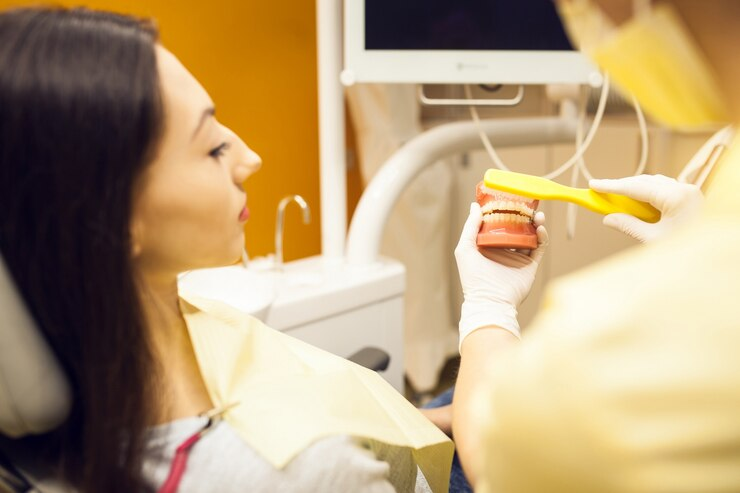
After undergoing root canal treatment, following proper aftercare instructions to promote healing and ensure the procedure’s success is essential. Here are some dos and don’ts to keep in mind:
Dos:
- Maintain good oral hygiene: Brush and floss regularly to keep the treated tooth and surrounding gums clean and bacteria-free.
- Attend follow-up checkups: Keep all appointments with your dentist to monitor healing and address concerns.
- Eat soft foods: For the first few days after treatment, stick to soft and easy-to-chew foods to avoid putting so much pressure on the treated tooth.
- Take prescribed medications: If you are prescribed any medicines, such as antibiotics or pain relievers, take them as directed.
Don’ts:
- Avoid hard or sticky foods: Refrain from eating hard or sticky foods that could dislodge temporary fillings or damage the treated tooth.
- Don’t skip oral hygiene: Continue to brush and floss regularly, even if the treated tooth is sensitive, to prevent plaque buildup and further infection.
- Avoid extreme temperatures: Avoid too much hot or cold foods and drinks, as sensitivity may be heightened immediately following root canal treatment.
- Don’t delay treatment: If you experience severe or persistent pain, swelling, or other symptoms after root canal treatment, contact your dentist promptly for evaluation and possible retreatment if necessary.
- Don’t smoke: Smoking can delay healing and increase the risk of complications after root canal treatment. If you smoke, consider quitting or reducing your smoking habits to promote better oral health.
Alternatives to Root Canals
While root canal treatment is often a patient’s option for saving a natural tooth, tooth extraction is an alternative. If the tooth is decayed or infected beyond repair, extraction may be necessary to ease the pain and prevent further complications.
However, it’s important to note that tooth extraction should be considered a last resort, as it results in the permanent loss of the natural tooth and can lead to other oral health issues, such as shifting adjacent teeth and difficulty chewing. Root canal treatment, on the other hand, offers a tooth-saving solution by removing the infected pulp tissue while preserving the outer structure.
Root Canal Treatment vs Tooth Extraction: Which Should You Choose
Choosing between root canal treatment and tooth extraction usually depends on how much of the natural tooth can realistically be preserved. While both treatments can address infection or severe damage, they serve different purposes and are recommended based on the tooth’s condition, surrounding bone, and long-term treatment goals.
Factor | Root Canal Treatment | Tooth Extraction |
When it’s usually considered | The tooth has enough healthy structure to be restored with a filling or crown. | The tooth is too damaged to restore, such as extensive decay, a crack below the gum line, or severe structural loss. |
Primary goal | Preserve the natural tooth by removing infected or inflamed pulp. | Remove a tooth that cannot be predictably saved. |
Long-term considerations | Keeps the natural tooth in place, often avoiding the need for replacement. | The missing tooth may later require replacement with a dental implant, bridge, or denture to restore function and prevent shifting. |
Suitability | Often appropriate when the tooth can be restored and has a reasonable long-term prognosis. | Often considered when restoration is unlikely to be successful because of extensive damage, severe infection, or significant bone loss around the root. |
The most appropriate option depends on a clinical examination, X-rays, and an assessment of the tooth’s remaining structure. In many cases, preserving the natural tooth is preferred when it is clinically feasible, but extraction may provide a more predictable outcome when the tooth cannot be successfully restored. Your dentist can explain the benefits, limitations, and expected prognosis of each option based on your individual situation.
Conclusions
Root canal treatment is a well established way to save a natural tooth affected by infection or inflammation of the pulp. Removing the infected pulp and sealing the canals helps preserve the tooth’s structure and function, and with proper care and follow up, many patients keep the treated tooth long term.


