

Noticing that your lower teeth sit further forward than your upper teeth, or hearing from a dentist that your child’s bite looks off, can raise a lot of questions. Is it serious? Does it need treatment now, or can it wait? This article walks through what an underbite actually is, what tends to cause it, and what it can mean for your dental health over time.
What Is an Underbite?
An underbite, clinically known as a Class III malocclusion or mandibular prognathism, occurs when the lower teeth protrude beyond the upper front teeth, leading to misaligned teeth. This condition is essentially the opposite of an overbite (Class II malocclusion), where the upper teeth overlap the lower teeth, causing the upper jaw to protrude forward. An underbite can affect the overall structure and functionality of the jaw and teeth, leading to various dental problems if left untreated.
There are two types of underbites:
Dental underbites occur when the teeth are misaligned, but the jaw structure is normal. The cause is typically related to crowding of teeth or irregular tooth eruption.
Skeletal underbites result from abnormal growth of the jawbones. This type is often hereditary and involves disproportionate growth between the upper and lower jaws.
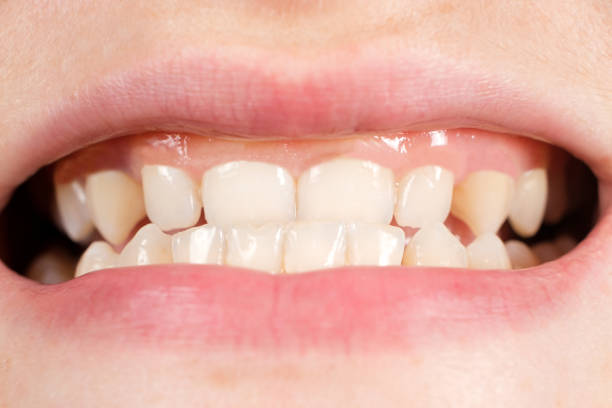
In a healthy bite (occlusion), the upper teeth should overlap the lower teeth slightly, ensuring proper chewing and alignment. In an underbite, this natural alignment is disrupted, which can lead to complications such as:
- Jaw MisalignmentThe misalignment of the upper and lower jaws causes uneven wear on the teeth and puts extra pressure on the jaw joints, potentially leading to jaw pain.
- Biting and Chewing DifficultiesUnderbite teeth affect the efficiency of biting and chewing, as the teeth do not meet properly when the mouth closes. This can cause difficulties in eating and may lead to uneven tooth wear.
- Speech IssuesThe misalignment of the teeth can affect speech, particularly in severe cases, leading to issues such as a lisp or unclear pronunciation.
- Aesthetic ConcernsAn underbite can also affect facial appearance, as the lower jaw protrudes, giving the chin a more pronounced look. This can impact a person’s confidence and self-esteem.
Underbites can vary in severity: mild, moderate, and severe. Each has its impact on bite functionality and overall dental health.
- Mild UnderbiteIn mild cases, the lower teeth slightly overlap the upper teeth, causing minor misalignment. This usually does not cause significant problems, but it may still require treatment to prevent further issues.
- Moderate UnderbiteA moderate underbite involves more noticeable misalignment, which can cause chewing difficulty, jaw pain, and increased wear on the teeth.
- Severe UnderbiteIn severe cases, the lower teeth extend far beyond the upper teeth, significantly affecting bite functionality, speech, and facial aesthetics. Severe underbites often require more intensive treatment, such as surgery.
Causes of Underbite
So, what causes this malocclusion? Underbites can be influenced by several factors, which can be grouped into three categories: genetic factors, environmental influences, and physical trauma.
- Genetic FactorsUnderbites are often inherited, meaning they can be passed down from parents to children. In these cases, the jaw structure is typically the cause, with the lower jaw naturally extending beyond the upper jaw. A family history of skeletal malocclusion often indicates a higher chance of developing an underbite.
- Environmental InfluencesCertain childhood habits can contribute to an underbite’s development by altering the jaw’s growth and alignment. Common examples include:
- Prolonged Thumb Sucking: Continued thumb sucking past infancy can push the lower teeth and jaw forward.
- Extended Bottle Feeding or Pacifier Use: Using a pacifier or bottle for an extended period, especially beyond the age of 3, can impact the alignment of the jaw and teeth.
- Tongue Thrusting: This habit involves pressing the tongue against the teeth, which can push them forward and lead to an underbite.
- Mouth Breathing: Airway obstructions caused by allergies or enlarged tonsils/adenoids can lead to mouth breathing, which may change tongue posture and further exacerbate misalignment issues.
- Physical TraumaInjuries to the face or jaw can result in misalignment if they heal improperly. For instance:
- Jaw Fractures: A broken jaw may not align correctly after healing, potentially leading to an underbite. Severe accidents, falls, or sports injuries can alter the jaw structure, leading to any malocclusion that may require corrective treatment.
- Tumours: Both benign and malignant tumours in the mouth or jaw area can cause structural changes that result in an underbite.
Understanding these causes is crucial for early detection and intervention, which can help mitigate complications associated with this dental condition.
Symptoms of Underbite
It’s necessary to look for the symptoms to correct the issue. Symptoms include:
- Persistent jaw discomfort or pain
- Struggle with fully opening or closing the mouth
- A prominent lower jaw and chin
- Biting and chewing problems
- Speech impediments
- Tooth wear
- Difficulty breathing
- Altered facial structure
- Chronic bad breath
Diagnosis of an Underbite
When it comes to diagnosing an underbite, getting professional advice is the only accurate way to tell if you have an underbite that you should be concerned about.
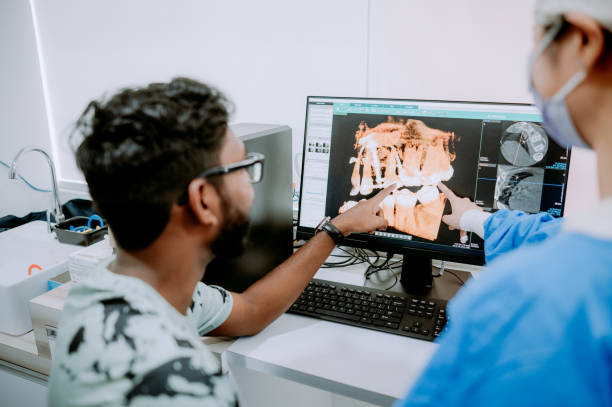
The diagnostic process typically begins with a comprehensive dental examination, during which your dentist assesses your bite alignment and checks for any functional issues. X-rays or 3D imaging are often performed to provide a detailed view of your jaw’s structure and the positioning of your teeth.
Early detection is vital for effective treatment planning and long-term success. The sooner an underbite is diagnosed, the easier it may be to correct.
When Is It Worth Getting Checked?
Not every underbite needs urgent treatment, but knowing when to seek an assessment helps avoid unnecessary delays in cases where early intervention makes a difference.
A dental evaluation is worth scheduling if you notice persistent jaw discomfort when eating, uneven wear appearing on specific teeth, any speech changes, or a visible shift in your jaw profile that concerns you. For children, the Association of Orthodontists Singapore recommends an orthodontic evaluation around age 7 to 8, as this is when growth patterns become clearer and early guidance may simplify future treatment.
For adults, there is no age cutoff. Functional problems, difficulty chewing, jaw fatigue, recurring headaches are generally a more useful prompt for seeking assessment than appearance alone. A dentist can determine on examination whether monitoring, non-surgical treatment, or referral is appropriate for your situation.
Treatment Options for Underbite Teeth
Treatment for underbites depends on the severity, underlying cause, and the patient’s age. Some common treatment options include:
Braces

Braces are a widely used orthodontic treatment for underbites, consisting of metal or clear brackets and wires that gradually shift teeth into proper alignment. They are effective for various severity levels and can address both dental and jaw alignment issues, offering a long-term solution. However, braces require regular adjustments and may cause some initial discomfort. Braces are ideal if you have slight to severe underbites, with treatment lasting between 1 to 3 years.
Clear Aligners

Clear aligners offer a discreet alternative to braces. These custom-made trays fit over the teeth and gradually shift them into place. They are ideal if you prioritise aesthetics and comfort while undergoing treatment. However, wearing the aligners for 20 to 22 hours daily is crucial for optimal results. Clear aligners suit mild to moderate cases of underbite.
Elastics on Braces
Elastics can be added to braces to help correct bite issues by applying additional force to align the jaws properly. They enhance the effectiveness of braces and offer customisable tension based on the treatment plan. However, elastics require compliance to be worn as directed and can be uncomfortable. They are ideal if you are already undergoing treatment for underbite braces.
Surgery

In severe cases of underbite, surgery is the suggested solution for adults, especially when other treatments are ineffective or when there are significant jaw misalignments. Jaw surgery or orthognathic surgery can provide a long-term correction by reshaping the jaw structures and can alleviate pain and functional issues. However, it may involve risks associated with surgery, such as pain, bleeding, and infection, and requires a longer recovery period of 2 to 4 weeks or more.
Tooth Extraction
In cases where overcrowding contributes to your underbite, extracting one or more teeth can create more space and help correct the alignment.
When choosing the treatment that is ideal for your specific situation, it is essential to consult with qualified dentists. They will carefully examine your teeth and help you choose the best treatment option for your underbite.
How the Approach Varies Across Severity
Treatment is not one-size-fits-all, and the right path depends on whether the underbite is primarily in the teeth, the jaw, or both.
For mild dental underbites, where the jaw is essentially normal but teeth are positioned forward, orthodontic options are usually the starting point and can often achieve good correction on their own. Moderate cases may involve a combination of orthodontic appliances. Severe underbites, particularly those with a strong skeletal component in adults, sometimes require an assessment of whether orthodontics alone is sufficient or whether surgical input is needed.
Age also plays a role. In growing children, the jaw is more responsive to guidance, and some interventions work specifically because growth is still occurring. In adults, the jaw structure is fixed, which shapes what non-surgical approaches can realistically achieve.
For a detailed look at how braces address underbites specifically, including which types may suit different cases, see our article on underbite braces.
Cost and Affordability of Treatments
The cost of this malocclusion treatment will depend on the procedure required and how extensive the procedure is. The average cost of treating an underbite can range up to $10,000 depending on the teeth situation. This cost will cover the treatment.
More complex cases that require surgical intervention or multiple phases of treatment can increase the cost. For instance, surgery combined with orthodontics can push the price higher depending on the complexity and duration of care.
Many dental clinics in Singapore offer flexible payment plans to help spread the cost over a manageable period, allowing patients and families to receive treatment without financial strain. At Casa Dental, we offer a payment plan to help our patients budget more effectively for their orthodontic care.
Additionally, certain insurance providers in Singapore cover orthodontic treatments and surgery, including underbite correction. It’s advisable to check your policy or consult your insurance provider to understand what dental treatments are included. Some policies might cover a portion of the costs, particularly if the treatment is deemed medically necessary, such as in cases where severe underbites lead to functional problems.
Prevention and Early Detection
Preventing an underbite from worsening is possible, especially in children. Early visits to the dentist can identify potential issues before they become more serious.
Here are some tips to help you monitor and support your child’s oral health:
- Monitor how your child’s bite is developing.
- Don’t wait for symptoms to appear. Schedule your child’s first orthodontic evaluation by age 7.
- Discourage thumb sucking and prolonged pacifier use after infancy. It’s important to help your child break these habits early to avoid jaw misalignment.
- Encourage positive oral habits. Teach your child proper brushing techniques to help strengthen jaw and tooth positioning.
- A nutritious diet supports strong bone and tooth development. Ensure your child’s diet is rich in calcium and other nutrients that promote healthy growth.
As a child, there are some things you can do to help ensure that your teeth and jaw develop properly:
- Follow oral hygiene instructions. Your parent and dentist can show you the right way to clean your mouth and care for your teeth.
- Avoid unhealthy dental habits. It can change how your teeth fit together and worsen an underbite.
Underbite in Children vs Adults
Treating underbites in children is generally more effective because their jaws are still forming and developing, allowing treatments such as braces or expanders to guide growth more naturally. In adults, treatment may present greater challenges as the jawbones have fully formed, sometimes necessitating surgery. Early intervention remains key to simplifying treatment processes and outcomes.
Impact on Overall Health
Untreated underbites are linked to various health issues, including temporomandibular joint disorder (TMD) and sleep apnea. TMD arises from the stress placed on the jaw joint due to misalignment, leading to pain and limited mobility. This discomfort can extend beyond the jaw, contributing to chronic headaches and neck pain. Additionally, an underbite can exacerbate sleep disorders; individuals may struggle with mouth breathing or snoring, which can lead to conditions like sleep apnea, characterised by interrupted breathing during sleep.
It can also increase the risk of gum disease and tooth decay, as misaligned teeth can create pockets where bacteria accumulate. This makes understanding and managing a slight underbite crucial for maintaining overall oral health.
Outlook
Orthodontic treatment can correct an underbite at any age, though early intervention is usually recommended. It is advisable to begin treatment once the permanent teeth have erupted, as correcting the issue early can prevent long-term complications. Many dentists recommend evaluating a child’s bite and jaw development while some baby teeth are still present. Early intervention strategies can help prevent malocclusion from worsening.
For adults, treating an underbite can be more complicated. In some cases, behavioural changes, braces, and even surgery may be required to correct the condition.
If you are concerned about an underbite or any malocclusion, it is essential to schedule a consultation with a dentist. They can provide guidance on the most suitable treatment options based on the severity of the case.


